
Temporomandibular Joint
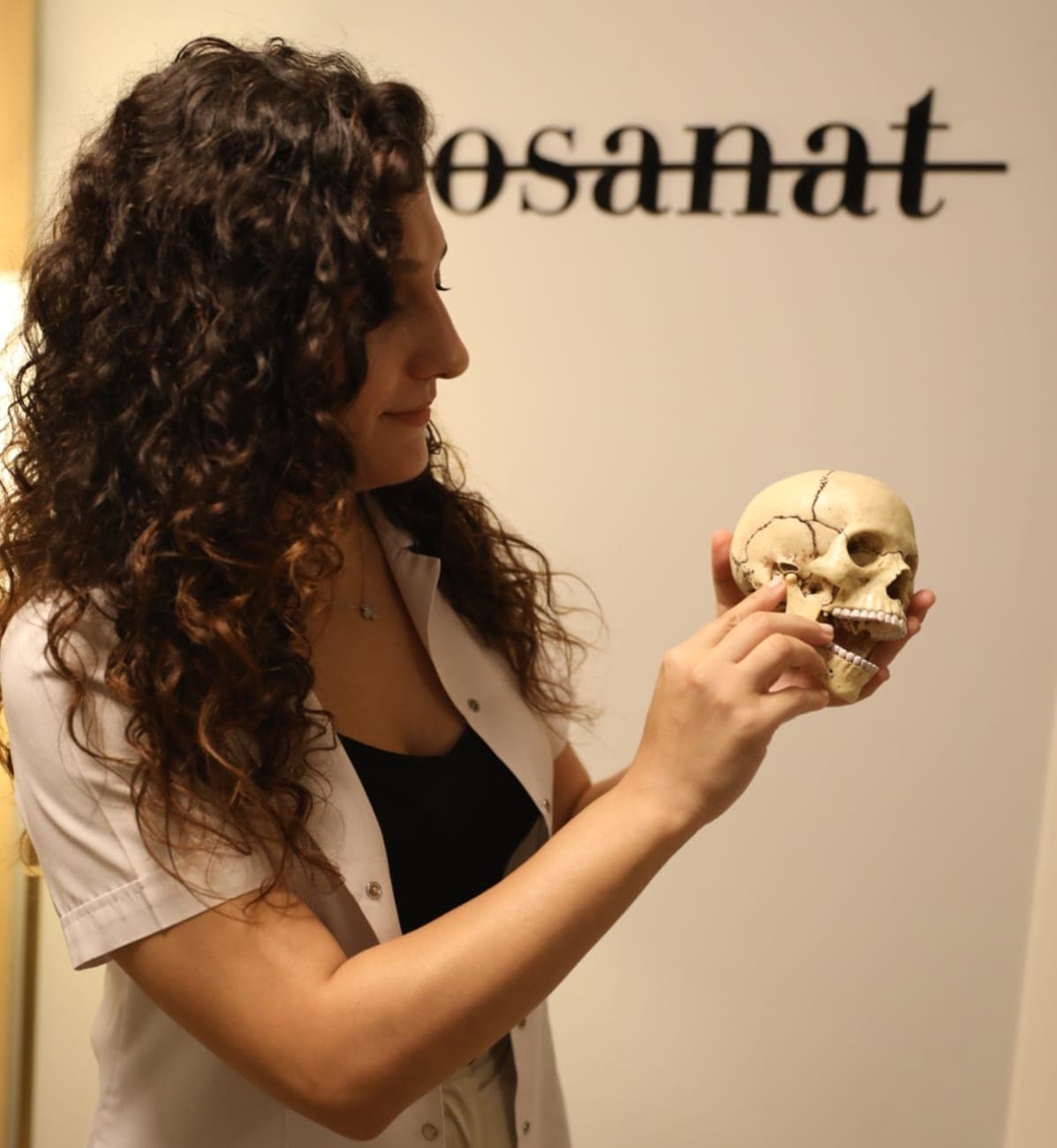
What Are TMJ and TMD?
The temporomandibular joints are the paired joints just in front of the ears that let the jaw chew, speak and swallow.
Temporomandibular disorder (TMD) is a common condition made up of musculoskeletal problems affecting the TMJ and its supporting structures. TMD can occur at any age, but it is most common in young and middle-aged adults, and more frequent in women than in men.
In 1982 the American Dental Association defined "temporomandibular disorders" as regional signs and symptoms involving pain in the area of the TMJ and/or the chewing muscles, often with limited normal jaw movement and/or joint sounds (clicking and/or crepitus).

Symptoms of TMD
Common symptoms of temporomandibular joint problems include:
- Pain or discomfort linked to one or more of chewing, yawning, speaking or teeth grinding
- Clicking, popping or grinding sounds in the jaw joints
- Bruxism (teeth clenching and grinding)
- Limited jaw opening or the jaw locking
- A tired jaw
- Neck pain
- Headache (tension-type or migraine)
- Facial pain and/or numbness in the face and head
- Unexplained toothache
- Pain behind the eyes or blurred vision
- Ear pain, a blocked feeling in the ears or ringing (tinnitus)
- Dizziness
- Difficulty bringing the teeth together
- Hearing loss
Causes of TMD
There is no single cause, factor or theoretical model that explains how TMD starts. Temporomandibular disorders can arise from many causes, including:
- Poor posture
- A stiff neck and upper back, tight face/mouth muscles, myofascial trigger points
- Trauma or whiplash injury
- Jaw occlusion (bite) problems
- Dental problems and dental treatment
- Teeth clenching or grinding
- Mouth breathing
- Sleeping with the mouth open
- Parafunctional habits: nail biting, frowning, chewing pens, etc.
- Pelvic floor dysfunction
- Scoliosis or other spinal problems
Why do temporomandibular disorders occur?
Extra-articular causes:
- Muscle spasms can cause marked jaw pain and restricted movement. Keeping the mouth open for long periods or sleeping with it open, stress, bruxism and postural dysfunction can trigger spasm, especially in the masseter, temporalis and pterygoid muscles. The muscles around the hyoid should also be considered.
- Poor posture of the cervical spine can cause jaw pain.
- Temporal tendinopathy, usually caused by overactivity of the temporalis muscle as a result of bruxism, causes jaw pain.
- It can result from fractures of the mandible.
Intra-articular causes:
- Direct trauma such as a blow to the jaw or whiplash, and indirect trauma from teeth grinding (bruxism), jaw clenching, or worn or missing teeth, can cause inflammation and structural changes in the joint.
- Inflammatory joint conditions such as rheumatoid arthritis, ankylosing spondylitis, infectious arthritis, Reiter's syndrome and gout can affect the jaw joint.
- It can be caused by hypermobility.
TMJ Examination and Tests
MEDICAL HISTORY

A detailed history is taken, covering the patient's medical background: diagnoses and treatments received, imaging and tests done, and any past trauma, accidents or surgery.
SYMPTOMS IN THE HISTORY
- Pain or discomfort linked to one or more of chewing, yawning, speaking or teeth grinding
- Clicking, popping or grinding sounds in the jaw joints
- Bruxism (teeth clenching and grinding)
- Limited jaw opening or the jaw locking
- A tired jaw
- Neck pain
- Headache (tension-type or migraine)
- Facial pain and/or numbness in the face and head
- Unexplained toothache
- Pain behind the eyes or blurred vision
- Ear pain, a blocked feeling in the ears or ringing (tinnitus)
- Dizziness
- Difficulty bringing the teeth together
- Hearing loss
- Everyday parafunctional activities such as smoking, teeth grinding, chewing gum, snoring, leaning on the jaw, nail biting, lip biting and teeth clenching
- Work, housework, hobbies and/or leisure activities, repetitive strain and prolonged postures (for example, computer use)
- Emotional stress, the general state of the nervous system and the body's capacity to heal itself (fatigue, overall energy, sleep quality)
OBSERVATION
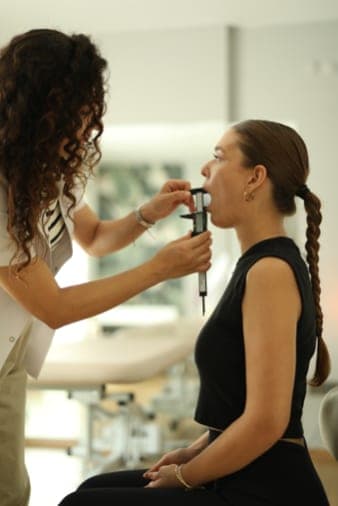
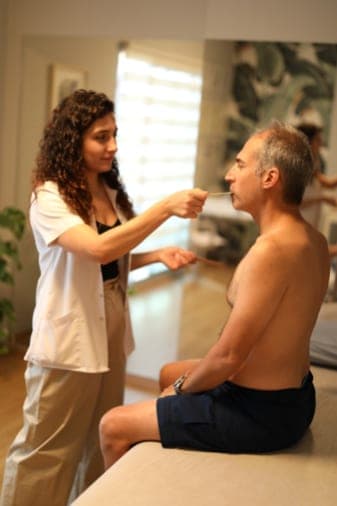
We assess dental occlusion (alignment), the symmetry of the teeth and face, breathing pattern, active and passive range of motion, hypermobility and stability tests, how smoothly the mouth opens and closes, any deflection or deviation, tongue position and movement, tongue and lip ties, and the posture and alignment of the whole body. Swallowing, sensation and reflexes are also assessed. If the history suggests neurological findings, a cranial nerve examination is carried out.
PALPATION
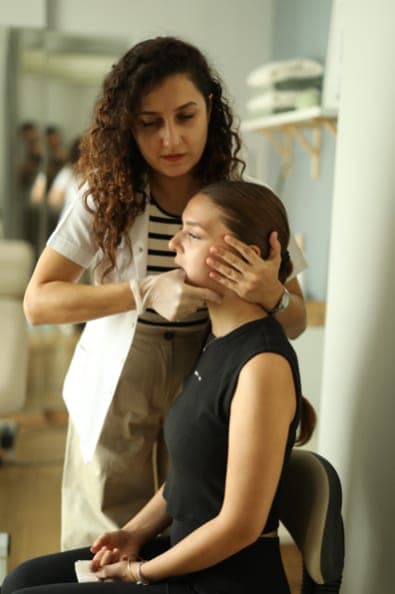
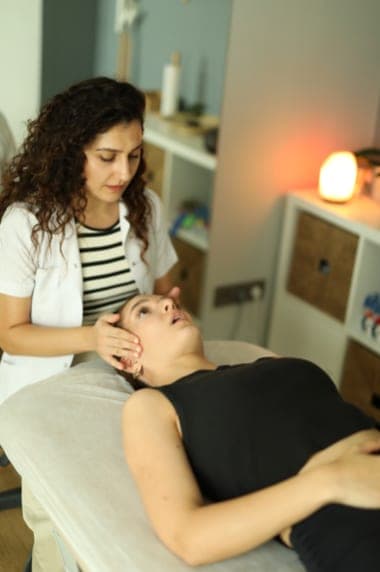
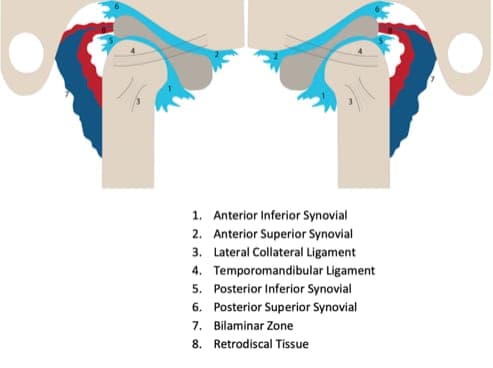
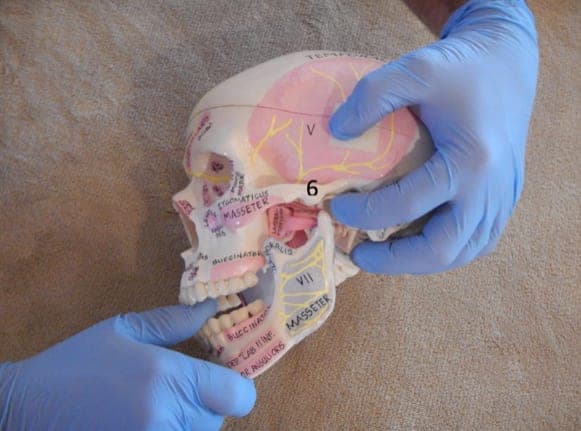
Palpation, both inside and outside the mouth, assesses joint movement, the tone of the chewing muscles, and the presence and tenderness of trigger points. For differential diagnosis, movement tests involving the neck and the TMJ and Rocabado's Synovial Pain Map are used.
TREATMENT
So what do we do for temporomandibular disorders (TMD)?
Physiotherapy is very effective in relieving and managing TMD, even when symptoms are long-standing and severe. With appropriate physiotherapy, most patients see a significant improvement in their symptoms within 3 to 6 weeks.
To treat temporomandibular disorders, in our clinic we use:
- Manual therapy for the neck and jaw
- Fascial therapy for the suprahyoid–infrahyoid region and the whole head and neck
- Craniosacral osteopathy
- Corrective exercise rehabilitation for overall posture and jaw joint movement.
Following a detailed assessment, a treatment programme is tailored to the patient's needs. This programme may include:
PATIENT EDUCATION
As healthcare professionals, we believe no TMJ physiotherapy session is complete without informing our patients, helping them understand their condition, easing their worries and supporting them to take an active role in their own recovery.
Key topics in patient education include strategies for recognising and describing symptoms, linking cause and effect and keeping them under control; managing everyday loads and parafunctions; the resting position of the jaw and tongue; correct alignment of the neck and spine; proper diaphragmatic breathing; sleep hygiene and circadian rhythm; somatic practices and relaxation techniques that help with stress; and mindfulness techniques.

TMJ TREATMENT TECHNIQUES FOR JOINTS, MUSCLES AND TENDONS
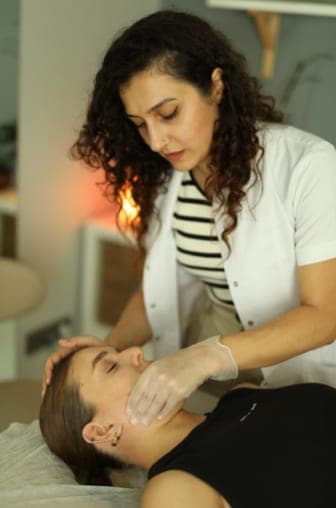
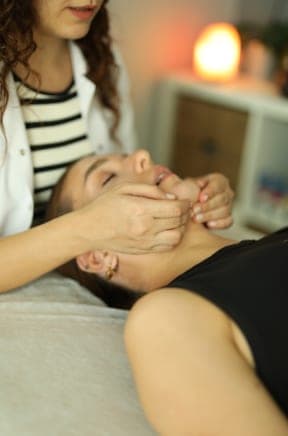
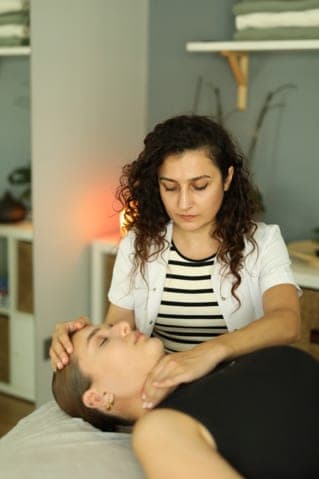
The manual therapy techniques used target the temporomandibular joint, the related muscle groups and the fascial tissues. Applied at the right stage of healing, they increase the mobility and elasticity of the joint and connective tissues while helping to reduce inflammation and pain and tenderness in the tissues. The goals are to restore range of motion and normal biomechanics, improve functional capacity and control pain.
MYOFASCIAL TECHNIQUES FOR THE RELATED TISSUES
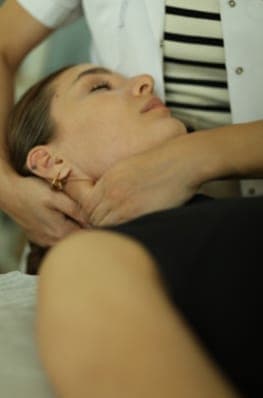
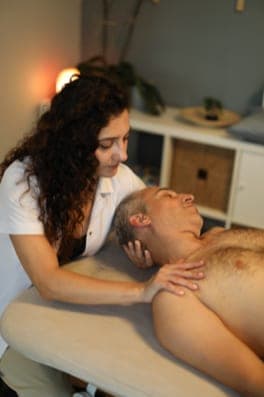
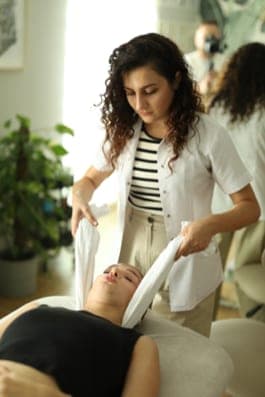
Manual therapy techniques for the muscles and fascia of the jaw, neck and head aim to release myofascial trigger points, reduce increased muscle tone and balance tissue tension. By supporting circulation and tissue glide in tissues restricted by overuse or prolonged postural loading, we aim to restore joint and soft tissue mobility. This approach helps control pain, eases hypersensitivity, and supports better functional movement, chewing, speech and head–neck coordination.
NEUROMUSCULAR TRAINING AND EXERCISES
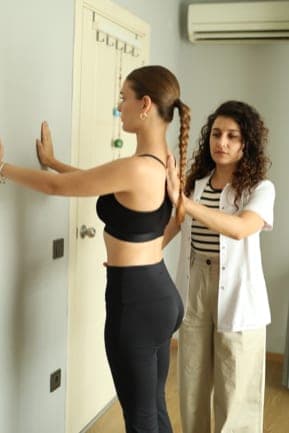
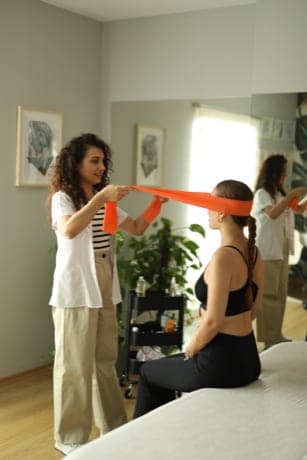
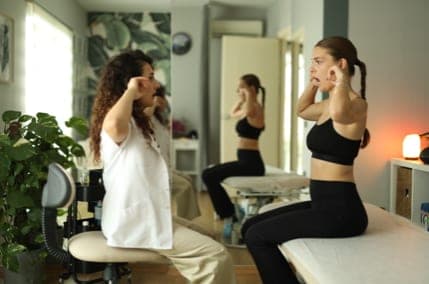
Specific movement and motor control exercises to retrain jaw function are planned on the understanding that the temporomandibular joint is a moving, functional structure. Restoring joint mobility is therefore a key goal for healthy load distribution and optimal function.
The exercises aim to reduce protective muscle guarding, improve coordination between muscles, and restore balanced, effective activation of the muscle groups involved in chewing, speech and postural stability.
Jaw function is treated not just as a local structure but as a system connected to whole-body stability. Supporting trunk stability is therefore an important part of treatment.
Diaphragmatic breathing and correct use of intra-abdominal pressure help balance the load on the jaw–neck complex and support more efficient functional movement.
This holistic approach aims to make functional recovery more sustainable and treatment results longer-lasting.
CRANIOSACRAL OSTEOPATHY
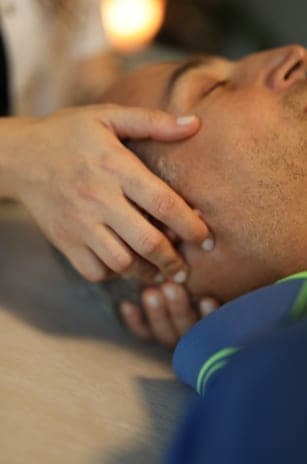
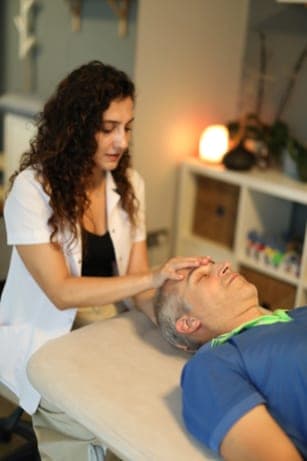
Craniosacral therapy is a gentle, manual therapy that focuses on the cranial bones, the spine and the sacrum.
By supporting the craniosacral rhythm and the mobility of the cranial bones with light touch, it encourages regulation of the central nervous system. It also eases non-pathological, physiological pressure on the cranial nerves. Example: vagus nerve normalisation techniques.
Psychological stress is recognised as one of the most significant risk factors for bruxism. The effects of stress on the autonomic nervous system are linked to increased muscle activity in the diaphragm, jaw and face.
By improving nervous system regulation, reducing sympathetic activity and strengthening the parasympathetic response, it helps build awareness and control over the physical expressions of psychological stress (somatisation).
The aim is relaxation, greater tissue freedom and less protective muscle activity, especially in the soft tissues of the head and jaw.
Craniosacral therapy is applied together with manual therapy and exercise as an important part of a holistic approach covering the jaw–neck–cranium complex.
VISCERAL OSTEOPATHY
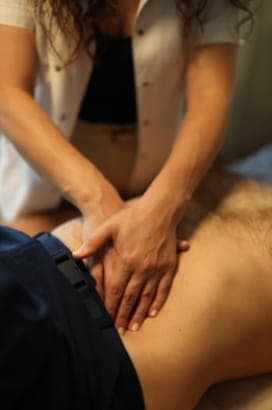
Visceral osteopathy is a manual approach that assesses and supports the mobility of the internal organs, their relationships with each other and their interaction with surrounding tissues.
Research discusses whether reflux and digestive problems may trigger or sustain teeth clenching (bruxism) via the autonomic nervous system.
Restrictions in the physiological mobility of the internal organs are considered to affect diaphragm function, breathing mechanics and intra-abdominal pressure management, which in turn can impair the function of the core muscles around the spine.
Visceral dysfunction is thought to support night-time bruxism by disturbing sleep quality, and so to have a two-way relationship with jaw problems.
Gentle manual techniques aim to increase organ mobility, reduce visceral–fascial tension and support circulation.
This approach is treated as a complementary part of a holistic treatment plan for functional problems related to the jaw, neck and head.